


Best Botanical Supplements 2026
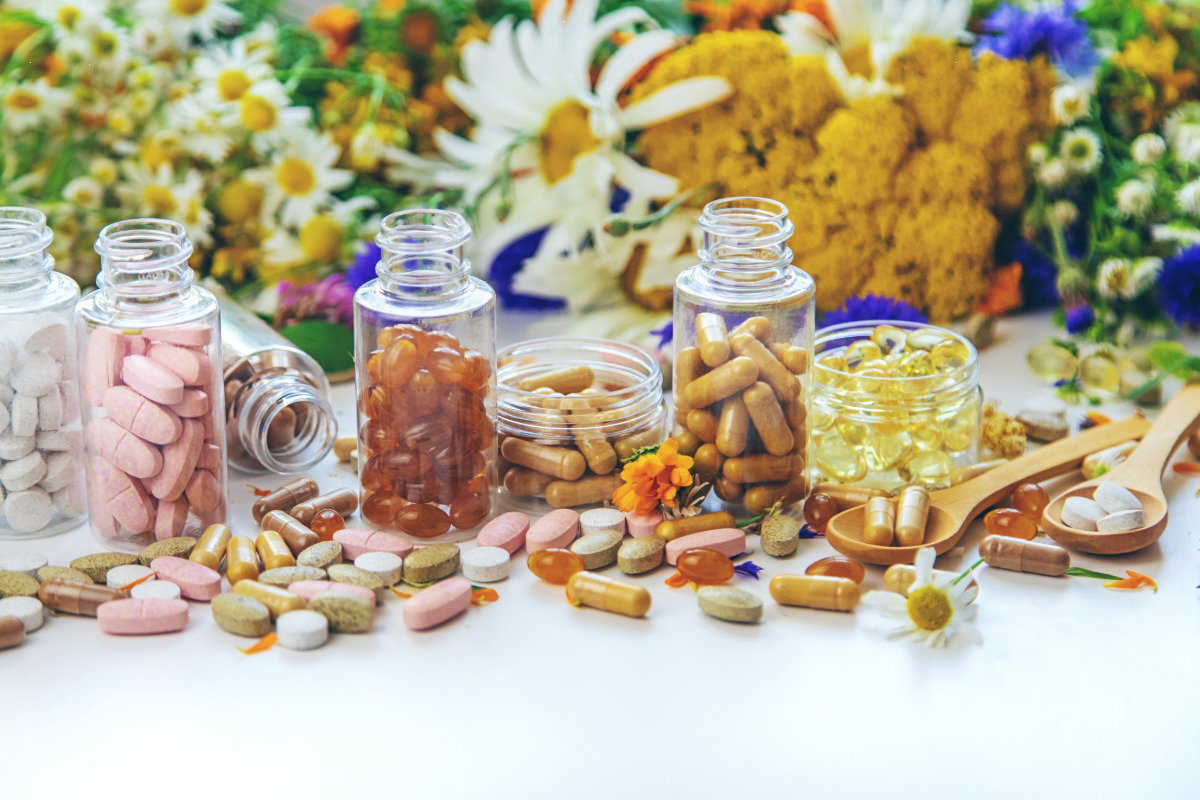
The best botanical supplements in 2026 are not simply the most popular ones. They are the herbs and functional mushrooms with the strongest human clinical evidence for real benefits in stress, cognition, inflammation, immunity, and physical performance, including ashwagandha, lion’s mane, turmeric curcumin, elderberry, rhodiola rosea, holy basil, and reishi. For adults who want high-quality, clinically validated botanical supplements to support specific wellness goals, that distinction matters more than ever.
The line between ancient wisdom and modern science has never been thinner. In 2026, botanical supplements are becoming a legitimate pillar of preventive wellness, backed by randomized controlled trials and meta-analyses that would have been unthinkable a decade ago. The global herbal supplements market was valued at $52.43 billion in 2024, and the botanical supplements market is projected to reach USD 66.2 billion in 2026, reflecting a major shift in how consumers approach stress management, cognitive health, metabolic support, immune maintenance, and long-term wellness.
What’s driving this? Adaptogens are increasingly used for stress resilience and focus. Functional mushrooms are moving into mainstream wellness and nootropic formulas. Delivery formats such as gummies and chews continue to grow because convenience and taste affect adherence, while buyers are paying closer attention to bioavailability, dosing, and third-party testing instead of marketing claims alone.
So which plant-based herbal supplements actually deserve your attention? We evaluated the best botanical supplements 2026 has to offer based on clinical backing, ingredient quality, form, and practical fit for different health goals. This guide compares the strongest options, explains what each one is best at, highlights the evidence behind their benefits, and shows what to check before you buy so you can choose a supplement that fits your daily routine and wellness priorities.
How We Chose the Best Botanical and Herbal Supplements
Not every dietary supplement with a leaf on the label deserves your money. Here’s exactly what we looked for:
Scientific research and clinical study backing. We prioritized botanicals with evidence of benefits over those with limited support. Each pick on this list has at least one well-designed human RCT or meta-analysis behind it, not just in vitro results or traditional claims alone. Modern research now uses multi-method models combining in vitro assays, in silico modeling, and in vivo human trials to evaluate mechanisms, efficacy, and absorption. Clinical studies with quantifiable outcomes-cortisol levels, VO₂max improvements, cognitive test scores-carried the most weight.
Third-party testing for purity, potency, and contaminants. Consumers prioritize effective products with third-party testing and transparency. We looked for brands that publish Certificates of Analysis (COAs), batch numbers, and DNA verification (especially important for mushroom products).
Consumer reviews and real-world effectiveness reports. Lab results matter, but so does what people actually experience after 8 weeks of consistent use.
Quality of extraction methods and bioavailability. Standardized extracts supported by human clinical studies are gaining consumer interest for good reason. A curcumin capsule that passes through your system unabsorbed is worthless regardless of what’s on the label. We evaluated extraction methods, bioavailability enhancers, and whether formulations used advanced delivery systems like nano-liposomal or phospholipid vehicles.
Value for money and dosage effectiveness. We looked at cost per effective dose, not just cost per capsule. Key ingredients need to be present at clinically studied doses, not pixie-dusted amounts.
Brand reputation and manufacturing standards. GMP certification, transparent sourcing, and consistent potency batch-to-batch.
Sustainability and ethical sourcing practices. Organic certifications, fair trade practices, and traceable supply chains differentiate premium products from commodity fillers.
Botanicals with evidence of benefits are preferred over those with limited support. That principle guided every selection on this list.
Top 7 Botanical Supplements for 2026
1. Ashwagandha Root Extract
Ashwagandha (Withania somnifera) has become the flagship adaptogenic herb for stress management-and the clinical data in 2025-2026 has only strengthened its position. This root extract modulates the hypothalamic-pituitary-adrenal (HPA) axis, directly influencing cortisol output, DHEA-S levels, and downstream stress responses. Adaptogenic herbs like ashwagandha improve stress resilience and cognitive performance through measurable endocrine pathways, not vague “balancing” claims. Ashwagandha helps lower cortisol levels and improve mood through these well-documented mechanisms.
Why It Stands Out
The sheer volume and quality of human clinical evidence. A large RCT at AIIMS Jodhpur with 360 participants using KSM-66 (600 mg twice daily for 90 days) showed serum cortisol reduction of 22% vs 4% in placebo, DASS-21 stress score reduced 35% vs 11%, and sleep quality (PSQI) improved approximately 28%. A separate meta-analysis of 15 RCTs (n = 873) confirmed significant reductions in blood cortisol (mean difference ~2.36 µg/dL), perceived stress (PSS score ~4.88 points), and anxiety (HAM-A ~3.52 points) at the eight-week mark.
Ashwagandha helps reduce cortisol levels and improve sleep quality consistently across multiple study designs, populations, and extract types.
Best For
Busy professionals, students under academic pressure, anyone dealing with chronic stress or poor mental health outcomes related to sustained cortisol elevation.
Key Strengths
- Reduces cortisol levels by up to 30% in clinical studies, with 20-25% being the most commonly replicated range
- Helps improve sleep quality and energy levels, with PSQI improvements of ~28% over 90 days
- Supports healthy mood and cognitive function-adaptogens like ashwagandha improve cognitive performance and stress resilience
- A sustained-release formulation (AshwaSR, 300 mg/day) improved 1-RM bench press by +15.31 kg vs +7.33 kg in placebo over 90 days, demonstrating physical performance and body weight management benefits
- Ashwagandha helps lower cortisol levels and improve stress resilience across diverse populations
- Can boost mood through HPA axis modulation and DHEA-S elevation
Possible Limitations
- May cause mild drowsiness; approximately 6% of participants in the AIIMS study reported GI discomfort
- Should be avoided during pregnancy and certain autoimmune conditions
- Can stimulate thyroid output-caution with thyroid disorders
- Some formulations (root+leaf, high withanolide) show inconsistent cortisol reduction in certain populations, such as overweight males
- Takes 4-8 weeks for measurable endocrine changes, though subjective stress relief may appear earlier
2. Lion’s Mane Mushroom
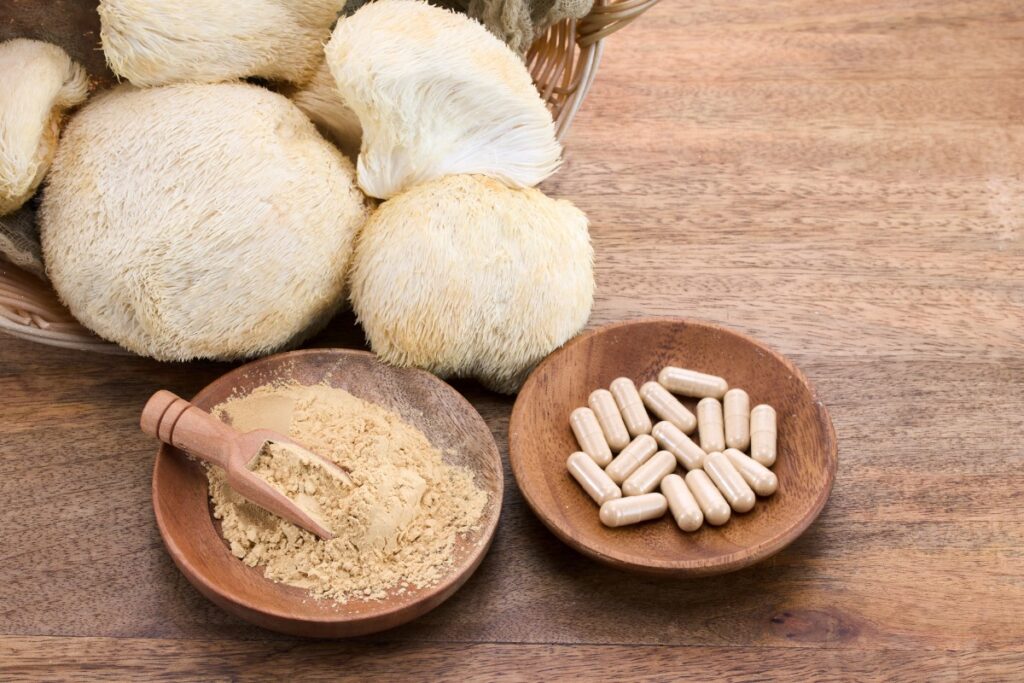
Lion’s mane mushroom (Hericium erinaceus) has moved from niche mycology circles into mainstream brain health conversations. Mushrooms entered the top ingredient list driven by increased demand for immunity benefits, but lion’s mane stands apart: its primary value is cognitive, not immunological. Lion’s Mane mushroom supports cognitive function and memory through bioactive compounds called erinacines and hericenones, which stimulate nerve growth factor (NGF) production in the brain.
Why It Stands Out
Lion’s mane is one of the few natural compounds with demonstrated ability to cross the blood-brain barrier (via erinacine A in animal models) and directly influence neurotrophin production. A decentralized RCT (n ≈ 150 randomized, 109 evaluable) using 2 grams of powdered lion’s mane daily for 8 weeks found significant improvements on a complex cognitive task (Juggle Factor, p = 0.001), with positive trends in mood and sleep. Lion’s Mane mushroom improves cognitive function and memory through these NGF-dependent pathways.
A systematic review focusing on Alzheimer’s disease models (16 studies) reported reduced β-amyloid accumulation, modulated microglial activation, and significant effects on NGF and neurotransmission (p < 0.05). For older adults concerned about age-related cognitive decline, these findings are particularly compelling. Bacopa monnieri improves memory and cognitive function in older adults through different mechanisms, but lion’s mane targets neurogenesis more directly.
Best For
Students seeking mental clarity during exams, professionals in cognitively demanding roles, older adults seeking neuroprotective support. Anyone exploring mushroom supplements for cognitive rather than psychoactive purposes.
Key Strengths
- Supports memory formation, recall, and attention through NGF stimulation
- May protect against age-related cognitive decline based on systematic review data
- Enhances focus and mental clarity in complex cognitive tasks
- Generally safe in human trials at doses of 1-2 g/day
- Functional mushrooms are increasingly entering mainstream wellness and nootropic blends, making quality products more accessible
Possible Limitations
- Effects may take 4-8 weeks to become noticeable-this isn’t a same-day nootropic
- Premium products with verified fruiting body sourcing can be expensive
- Standardization varies significantly by strain, plant part, and extraction method
- Rare allergic or anaphylactic reactions reported with fresh mushrooms
- Effect sizes are moderate and often domain-specific (complex attention tasks rather than global cognition)
For a deeper look at mushroom supplement formats, check out our guide to best mushroom gummies.
3. Turmeric Curcumin Complex
Turmeric has been used in traditional medicine since 600 BCE, and turmeric is the top-selling herbal supplement in the U.S. as of 2022. That longevity isn’t accidental. Curcumin, the primary anti inflammatory compound in turmeric, has demonstrated potent effects on inflammatory markers, oxidative stress, and joint health. But here’s the honest truth: raw curcumin is nearly useless without bioavailability enhancement.
Why It Stands Out
The 2025-2026 breakthrough isn’t curcumin itself-it’s the delivery technology. A nano-liposomal formulation (BNT-C060) yielded approximately 23-fold higher area under curve (AUC) and 53-fold higher peak concentration (Cmax) compared to free curcumin, with earlier time to peak (~0.86 vs 3.3 hours). Sustainable turmeric nanoparticles have improved gastrointestinal-phase stability to approximately 92.2%. These aren’t incremental improvements-they’re transformative for a compound that was previously considered poorly bioavailable.
Best For
Athletes recovering from training, individuals with joint concerns, anyone seeking systemic inflammation support. Also relevant for skin health and skin elasticity, as curcumin’s antioxidant activity supports cellular protection throughout the body.
Key Strengths
- Powerful natural anti inflammatory effects validated across multiple trial designs
- Supports joint health and mobility, particularly with enhanced formulations
- Rich in antioxidants for cellular protection
- Supports digestive function and gut health through anti-inflammatory pathways
- New formulations allow lower doses with better systemic exposure
Possible Limitations
- Poor absorption without enhancement-avoid buying plain curcumin powder without piperine, lipids, or nano-formulation
- Even enhanced formulations may produce very low unconjugated curcumin levels compared to in vitro thresholds, raising questions about whether therapeutic effects come from free curcumin or its conjugates and metabolites
- May interact with blood thinning medications and drugs metabolized by CYP enzymes
- Premium bioavailable formulations cost significantly more than commodity turmeric capsules
- The amino acid and peptide interactions in certain food matrices (bars, drinks, capsules) can influence absorption differently
4. Elderberry Extract
Elderberry (Sambucus nigra) is the go-to botanical for immune support, and botanical supplements focused on immune support are rapidly gaining momentum in 2026. Elderberry and Echinacea are popular for immune system support, but elderberry’s rich anthocyanin profile gives it a distinct edge in antioxidant potency. These dark-pigmented compounds play a critical role in supporting immune systems through antiviral and antioxidant mechanisms.
Why It Stands Out
Elderberry has moved beyond seasonal cold-and-flu remedy status. Market data shows consumers now use it for year-round immune maintenance rather than just winter supplementation. Clinical human RCTs on common cold show some shortening of symptom duration when supplementation begins at first signs, though study quality varies.
Best For
Families, frequent travelers, those with seasonal immune challenges, and anyone seeking consistent immune function support throughout the year.
Key Strengths
- Rich in immune-supporting antioxidants, particularly anthocyanins
- Clinically studied for seasonal wellness with demonstrated symptom duration reduction
- Pleasant taste makes it easy to take regularly, especially in syrup and gummy formats
- Cordyceps enhances physical performance and immune function through different pathways, but elderberry remains more accessible for daily immune maintenance
Possible Limitations
- Most effective when started at first signs of immune challenge-not a rescue remedy
- Quality varies significantly between brands; standardization of anthocyanin content is less mature than for adaptogens
- Fewer large-scale RCTs compared to ashwagandha or curcumin
- Raw elderberry should never be consumed; proper processing is essential
5. Rhodiola Rosea
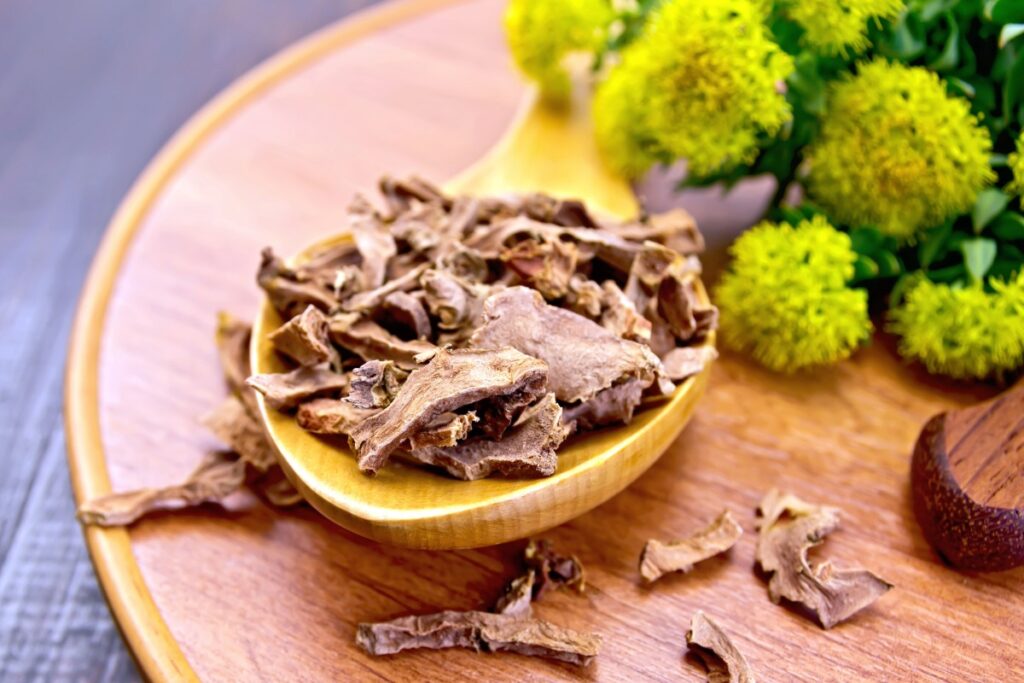
Rhodiola rosea is the adaptogen you reach for when you need sustained energy production without the jitters of caffeine. Botanicals like Rhodiola rosea are gaining traction for combined stress and cognitive effects, and the 2025-2026 clinical data has solidified its position as a top-tier performance botanical. Rhodiola rosea enhances cognitive function under stress through mechanisms involving serotonin, dopamine, and norepinephrine modulation.
Why It Stands Out
A 2025 meta-analysis of 26 RCTs (n = 668 healthy participants, mean duration ~33 days) found Rhodiola rosea significantly improved VO₂max (effect size 0.32, p < 0.01) and time-to-exhaustion (effect size 0.38, p < 0.05). These are small-to-moderate effect sizes, but they’re consistent and statistically robust. One RCT in basketball players showed reduced perceived fatigue and improved simulated game performance over short-term supplementation.
Best For
Athletes seeking physical performance gains, shift workers needing sustained energy levels, anyone wanting overall resilience and cognitive performance under pressure without caffeine dependency.
Key Strengths
- Reduces fatigue and enhances endurance with meta-analytic support across 26 trials
- Improves stress tolerance, muscle function, and mental performance
- Supports healthy mood, motivation, and overall resilience
- Reduces oxidative stress markers, inflammatory cytokines, and muscle damage biomarkers
- Standardized doses (200-600 mg/day with known rosavin/salidroside content) are well-established
- Rhodiola rosea enhances cognitive function under stress consistently across study designs
Possible Limitations
- Can be stimulating if taken too late in the day-insomnia is a reported side effect
- May take several weeks for full benefits to manifest
- One study in nursing students found Rhodiola actually worsened subjective fatigue in shift work contexts, suggesting context matters
- Effect sizes are modest; don’t expect dramatic overnight changes
- Heterogeneity in formulations and dosages across studies means product choice matters
6. Holy Basil (Tulsi)
Holy basil (Ocimum sanctum) is a cornerstone of Ayurvedic medicine, revered for centuries as a sacred herb with adaptogenic properties that address stress, immunity, and metabolic health simultaneously. Holy Basil supports cognitive function and relieves stress through gentler mechanisms than ashwagandha or rhodiola, making it suitable for people who find stronger adaptogens too stimulating.
Why It Stands Out
Tulsi’s versatility is its defining feature. Early human trials show moderate improvement in stress scores and mild hypoglycemic effects in type 2 diabetes contexts. While it lacks the large-scale meta-analytic support of ashwagandha, its multi-system approach to well being-covering stress, blood sugar, and respiratory health-makes it a compelling daily adaptogen for people seeking broad, gentle support.
Best For
Individuals seeking gentle daily stress support, those interested in blood sugar balance, anyone who prefers milder adaptogenic herbs that won’t disrupt sleep or cause overstimulation.
Key Strengths
- Gentle adaptogenic effects suitable for daily use without overstimulation
- Supports healthy blood sugar and cortisol levels through metabolic health pathways
- Enhances immune function and respiratory health
- Traditional Ayurvedic use spanning thousands of years, now supported by emerging clinical data
- Works well in combination with other botanicals and herbal formulas
Possible Limitations
- Milder effects compared to stronger adaptogens like ashwagandha-if you need aggressive cortisol reduction, this may not be sufficient
- May lower blood pressure and blood sugar in sensitive individuals; monitor if you’re on diabetes or hypertension medication
- Less standardized clinical data compared to ashwagandha or rhodiola; fewer large RCTs through 2026
- Optimal dosing not as firmly established across populations
7. Reishi Mushroom Extract
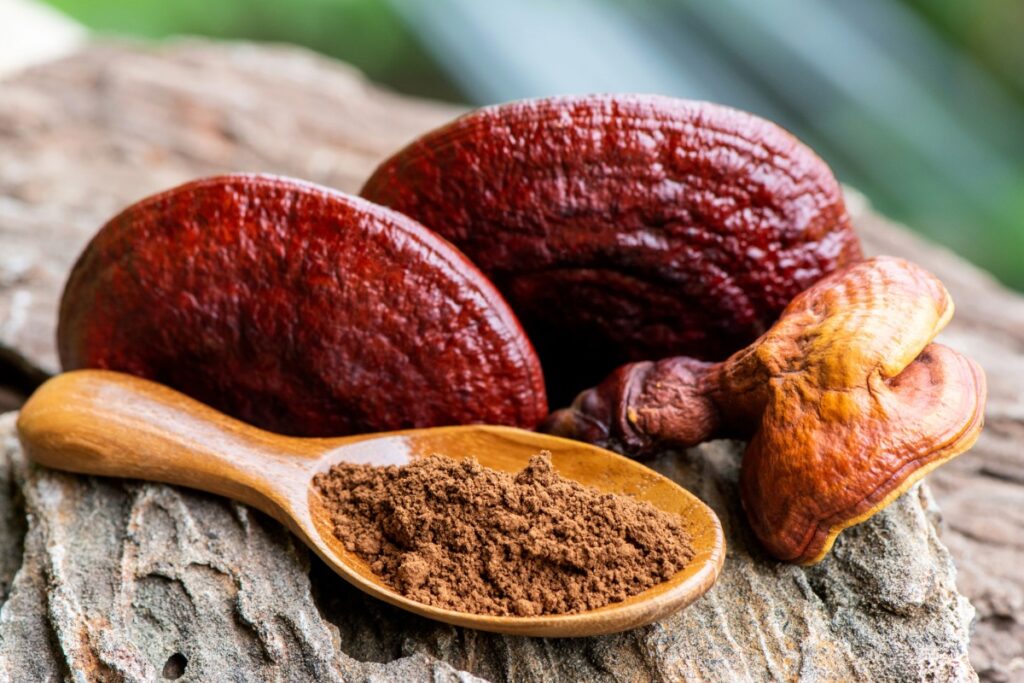
Reishi (Ganoderma lucidum), called the “mushroom of immortality” in traditional Chinese medicine, targets immune modulation and restful sleep through its triterpenoid and polysaccharide content. While lion’s mane leads the cognitive mushroom category, reishi occupies the recovery and immune-balancing niche.
Why It Stands Out
Reishi’s triterpenoids interact with pathways involved in immune regulation, sleep promotion, and stress response. Some research suggests these compounds may influence gamma aminobutyric acid receptor activity, contributing to its calming effects. Preclinical data for immunomodulation and antioxidation is strong, with smaller human RCTs showing benefit for immune function in older adults.
Unlike valerian root, which primarily targets sleep through sedation, reishi aims for immune-sleep synergy-supporting the body’s recovery processes while promoting relaxation.
Best For
Individuals with sleep issues seeking alternatives to sedative herbs, those with immune concerns, anyone interested in longevity support. People exploring mushroom gummies for relaxation rather than cognitive enhancement.
Key Strengths
- Supports healthy immune system balance through triterpenoid-mediated immunomodulation
- Promotes relaxation and quality sleep without next-day grogginess
- Contains compounds linked to longevity benefits and cellular protection
- Long history in traditional Chinese medicine with growing modern scientific validation
- Generally safe at typical supplement doses
Possible Limitations
- Bitter taste requires flavoring or encapsulation-powder form can be challenging to consume
- Premium extracts with standardized triterpenoid compounds are expensive
- Human trial quality and size lag behind ashwagandha and curcumin
- Effects on immune modulation are complex; should be used cautiously by those with autoimmune medical conditions
Quick Comparison of the Best Botanical Supplements
| Supplement | Best For | Evidence Strength | Typical Dose | Time to Effect |
| Ashwagandha | Stress management, cortisol reduction | Strong (meta-analysis, large RCTs) | 300-600 mg/day | 4-8 weeks |
| Lion’s Mane | Cognitive enhancement, neuroprotection | Moderate-growing (human RCTs) | 1-2 g/day | 6-8 weeks |
| Turmeric Curcumin | Inflammation support, joint health | Strong (with bioavailable forms) | Varies by formulation | 4-8 weeks |
| Elderberry | Seasonal immune support, antioxidant protection | Moderate (smaller RCTs) | 500-1000 mg/day | Days (acute use) |
| Rhodiola | Energy enhancement, physical performance | Moderate-strong (26 RCTs, meta-analysis) | 200-600 mg/day | 2-6 weeks |
| Holy Basil | Gentle daily stress support, blood sugar balance | Emerging (early human trials) | 300-600 mg/day | 4-8 weeks |
| Reishi | Immune balance, sleep quality improvement | Moderate (smaller human trials) | 1-3 g/day | 4-8 weeks |
Other botanicals worth noting: saffron has been shown to support mood and reduce emotional stress in emerging clinical data. Saffron can enhance mood and reduce emotional stress through mechanisms distinct from the adaptogens listed above. Ginger is known for its ability to reduce nausea and inflammation, making it a valuable digestive aid. Ginger supports digestive health and reduces nausea through well-established anti-emetic pathways.
How to Choose the Right Botanical Supplement
Choose Based on Your Primary Health Goal
Matching a botanical to your specific health goals is more effective than taking a generic multibotanical blend. Here’s a practical framework:
- Stress and cortisol: Ashwagandha is your first choice, with holy basil as a gentler alternative
- Cognition and brain health: Lion’s mane for neurotrophin support, with rhodiola for cognitive performance under acute stress
- Joint pain and inflammation: Turmeric curcumin complex in a bioavailable formulation
- Immune support: Elderberry for daily antioxidant protection, reishi for immune modulation
- Physical energy and endurance: Rhodiola for VO₂max and time-to-exhaustion improvements
Don’t overlook the broader context of your daily routine. Dietary fiber is essential for maintaining digestive regularity, and the Recommended Daily Value for dietary fiber is 28 grams-no botanical supplement replaces foundational nutrition. Similarly, vitamin d status, adequate protein (including collagen peptides for connective tissue), and even creatine powders for muscle and brain energy all play complementary roles. A supplement works best when your baseline nutrition is solid.
Choose Based on Extract Quality and Standardization
This is where most consumers go wrong. Two ashwagandha products can have wildly different potencies depending on:
- Standardization markers: Look for specific percentages-5% or higher withanolides for ashwagandha, known rosavin/salidroside ratios for rhodiola, mg of erinacine for lion’s mane
- Plant part used: Root-only ashwagandha extracts show more consistent cortisol reduction than root+leaf blends
- Bioavailability enhancers: For curcumin, nano-liposomal or phospholipid formulations are essential; plain curcumin powder has negligible systemic absorption
- Daily intake alignment: Make sure the product delivers a clinically studied dose in its recommended serving, not a sub-therapeutic amount
When evaluating herbal formulas, check whether the label specifies the extract ratio and active compound content, not just raw herb weight.
Choose Based on Third-Party Testing and Certifications
The supplement industry is self-regulated. Third-party testing is how you verify that what’s on the label is actually in the bottle.
Look for:
- Independent lab testing for purity (heavy metals, pesticides, microbial contamination) and potency verification
- COAs (Certificates of Analysis) available publicly or upon request
- DNA verification for mushroom products-ensuring you’re getting Hericium erinaceus and not a filler species
- GMP-certified manufacturing facilities
- Organic and sustainability certifications where applicable
Research from the national institutes of health has repeatedly flagged contamination and mislabeling issues in the supplement industry. Don’t skip this step. Whether you’re considering a new supplement for kidney health, weight loss, or cognitive enhancement, verification matters.
Which Botanical Supplement Is Best for You?
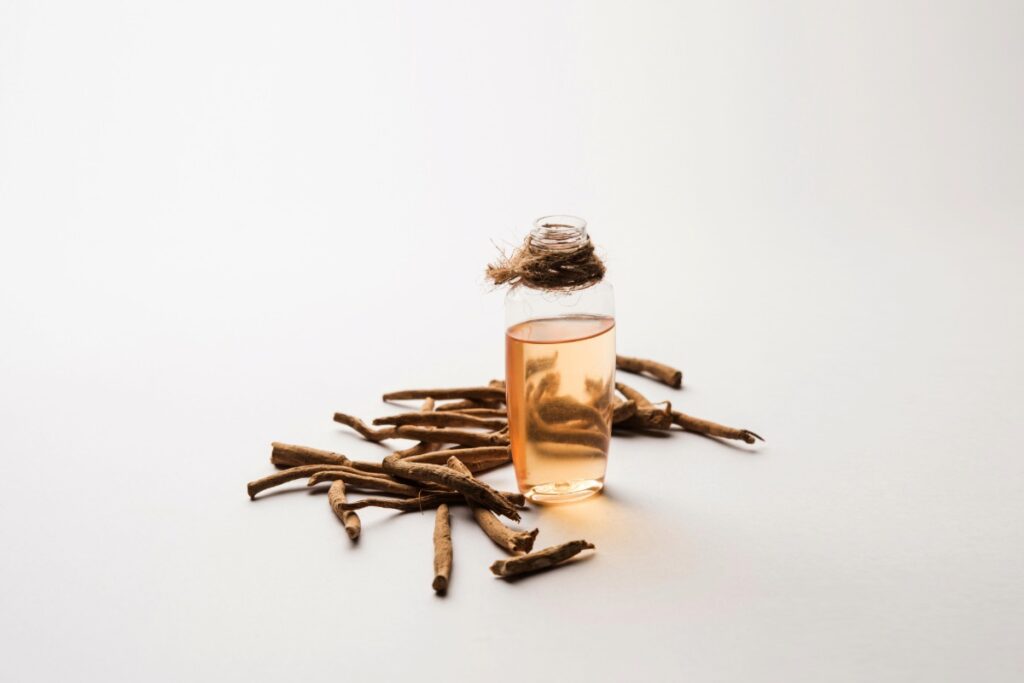
Your ideal pick depends entirely on your primary goal. Here’s the decision framework:
- Choose Ashwagandha if you need stress relief and want to improve sleep quality. It has the deepest evidence base for cortisol reduction and mental health support among all adaptogenic herbs.
- Choose Lion’s Mane if you want to enhance memory and cognitive performance. It’s the strongest natural candidate for NGF stimulation and neuroprotection, particularly relevant for older adults.
- Choose Turmeric Curcumin if your priority is reducing inflammation and supporting joint health. Invest in a bioavailable formulation-it makes or breaks the supplement’s effectiveness.
- Choose Elderberry if you need seasonal immune support with antioxidant benefits. It’s accessible, pleasant-tasting, and works well as part of a year-round immune strategy.
- Choose Rhodiola if you want natural energy enhancement without caffeine side effects. The meta-analytic data on endurance and physical performance is compelling.
- Choose Holy Basil if you prefer gentle, daily stress support with multiple wellness benefits including blood sugar and respiratory health.
- Choose Reishi if you need immune balance and improved sleep quality through a non-sedative mechanism.
Final Thoughts
The best botanical supplements 2026 has to offer aren’t defined by marketing claims or Instagram aesthetics. They’re defined by clinical evidence, honest trade-off acknowledgment, and manufacturing transparency.
Here’s what to remember:
The right supplement depends on your individual health goals, lifestyle, and current health status. Ashwagandha dominates for stress. Lion’s mane leads for cognition. Turmeric curcumin wins for inflammation-but only in bioavailable forms. Rhodiola excels for endurance. Elderberry, holy basil, and reishi fill essential niches in immunity, gentle adaptation, and recovery.
Quality matters more than quantity. Third-party testing, standardized extracts, and proper dosing separate effective supplements from expensive placebos. These supplements work best as part of a healthy lifestyle that includes a balanced diet, regular movement, and adequate sleep-not as replacements for foundational habits.
If you’re looking for a curated selection of premium botanical supplements with verified third-party lab testing, Altsuperstore’s botanical collection offers products that meet the quality standards discussed throughout this guide.
Before adding any new supplement to your daily routine-especially if you have existing medical conditions or take prescription medications-consult a qualified healthcare provider or registered dietitian. Botanical supplements are generally safe at recommended doses, but interactions with pharmaceuticals, effects on blood pressure, and individual sensitivities all warrant professional guidance. Your overall well being is the goal, and getting there safely is essential.


